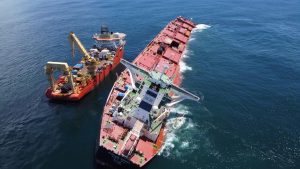
Marine emergencies, such as vessel groundings, collisions, and sinkings, require specialized expertise to mitigate damage and recover assets efficiently. At the heart of these operations stands the Salvage Master, a highly skilled professional responsible for overseeing and executing maritime salvage efforts. Their role is critical in ensuring the safety of the crew, the protection of the environment, and the successful recovery of vessels and cargo.
What Does a Salvage Master Do?
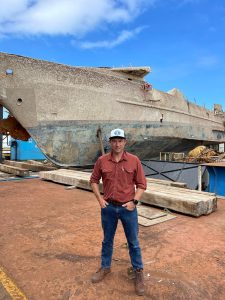
A Salvage Master is responsible for managing and coordinating all aspects of a salvage operation. Their duties include:
- Assessing the Situation
- Conducting a thorough evaluation of the distressed vessel’s condition.
- Identifying potential hazards such as fuel spills, structural weaknesses, or shifting cargo.
- Developing a Salvage Plan
- Creating a strategic approach to stabilize and recover the vessel.
- Ensuring compliance with international maritime laws and environmental regulations.
- Coordinating with shipowners, insurers, and regulatory bodies.
- Managing the Salvage Team
- Leading divers, engineers, naval architects, and marine surveyors.
- Assigning roles and responsibilities to ensure a safe and efficient operation.
- Executing Salvage Operations
- Directing actions such as refloating, dewatering, cargo removal, and towing.
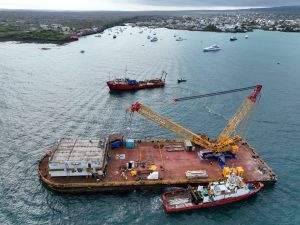
- Utilizing specialized equipment like cranes, tugboats, and pumping systems.
- Ensuring all salvage procedures prioritize crew safety and environmental protection.
- Crisis Management & Decision Making
- Responding to unexpected challenges, such as worsening weather or structural instability.
- Making real-time decisions to adjust salvage tactics as needed.
Importance of a Salvage Master in Marine Emergencies
The expertise of a Salvage Master is invaluable for several reasons:
- Minimizing Financial Losses: Efficient salvage operations reduce costs for shipowners and insurers.
- Protecting the Environment: Properly managed salvage efforts prevent oil spills and marine pollution.
- Ensuring Safety: Their leadership helps prevent further risks to crew members and emergency responders.
- Compliance with Regulations: Adherence to international maritime laws ensures smooth post-salvage legal proceedings.
Conclusion
A Salvage Master plays a pivotal role in marine emergency response, bringing expertise, leadership, and problem-solving skills to high-stakes situations. Their ability to navigate complex operations, coordinate teams, and make critical decisions ensures that vessels are salvaged with minimal environmental impact and financial loss. Whether dealing with a capsized ship or a grounded tanker, their presence is crucial for a successful and safe resolution.

Good https://is.gd/tpjNyL
Good https://shorturl.at/2breu
Very good https://shorturl.at/2breu
Awesome https://lc.cx/xjXBQT